
Cosmetic Dentistry
Aesthetic Dentistry and Smile Design (Hollywood Smile)
Here you can find information about aesthetic dentistry, smile design, Hollywood smile, zirconium crowns, laminate veneers, porcelain veneers, teeth whitening prices, pink aesthetics, dental aesthetics centers, and much more that you may have frequently heard about in relation to dental aesthetics.
What Is Aesthetic Dentistry?
Aesthetic dentistry aims to create ideal, personalized smile designs by combining teeth whitening, orthodontics, gum treatments, and aesthetic restorations, where dentistry and art are practiced together.
Planning is carried out by combining your personal preferences with health and natural appearance. First, you will discuss your goals and expectations for your new smile with your dentist. How do you want your smile to look? Why are you not satisfied with your current smile? By discussing these topics and possibly reviewing sample designs suggested by your dentist, you will regain your confidence and achieve a natural-looking smile.
Hollywood Smile (Smile Design) Applications
Zirconium Dental Crowns
Metal-ceramic systems have been used in prosthetic restorations for approximately 40 years. Today, with the increasing demand for materials that offer better biological compatibility and aesthetics, metal-free ceramic systems have been developed. However, since ceramic materials have relatively low resistance to fracture and bending, various methods are applied to strengthen the ceramic structure.
Among the most recently developed solutions for strengthening ceramics are zirconium-based ceramics. Thanks to the high mechanical properties of zirconium crowns and their fabrication using CAD-CAM technologies, successful results are achieved in restorations. In addition, their white color has made them a preferred choice in aesthetic designs.
Porcelain Laminate (Veneers)
Porcelain laminates are very thin ceramic materials used especially on the front teeth. They are applied to individuals who are dissatisfied with the shape or color of their teeth, have broken, worn, or overlapping teeth, or have diastema (gaps between teeth). They are among the most conservative (protective) treatments that can be performed by an aesthetic dentist.
There is a protective advantage due to the minimal amount of tooth structure removed. On average, removing only 0.3–0.7 mm of tooth structure is sufficient. Porcelain laminates are prepared in the desired color and form and then bonded to the teeth. Because they are very thin and metal-free, they are highly successful aesthetically. Laminates allow light transmission, providing a natural appearance that makes the treated teeth look completely real.
Teeth Whitening (Bleaching) Methods
Teeth whitening, also referred to as bleaching, is a method used to whiten teeth that have changed color for various reasons or to lighten a person’s natural tooth color by several shades. It is often confused with professional cleaning procedures performed in clinics, which remove bacterial plaque and tartar adhering to the tooth surfaces. In fact, scaling restores teeth to their natural individual color.
Just like eye or skin color, tooth color varies from person to person. The natural color of teeth may be darker due to aging, external factors, or genetic reasons. Many factors can affect tooth color, including hereditary factors, staining from external agents (such as tea, coffee, and smoking), antibiotics or fluoride taken during the developmental period, aging, dietary habits, or trauma to the tooth.
With teeth whitening procedures performed either in the dental office or at home, teeth can be lightened by 2–10 shades, resulting in a satisfying level of whiteness and a beautiful smile. However, it should be noted that teeth whitening must always be carried out under the supervision of a professional dentist.
Pink Aesthetics
In smile design procedures aimed at achieving a more aesthetic appearance—whether porcelain veneers or composite bonding applications are used—the level of the gums is a very important factor affecting dental aesthetics. In this approach, also known as pink aesthetics, the boundary line between the teeth and the gums is first evaluated. If deemed necessary, minor interventions are performed on the gums to reshape these boundaries in harmony with the smile design.
In some cases, for patients who are not satisfied with a gummy smile, surgical intervention on the muscles beneath the lip or botulinum toxin (Botox) applications to the relevant lip muscles may be used to enhance the smile design.
Another supportive element used in pink aesthetics is pink porcelain. In small areas where surgical intervention is not required, the use of pink porcelain at the gum level of porcelain crowns may also be preferred and can yield aesthetically pleasing results.
Aesthetic Dental Prices 2026
In 2026, aesthetic dental treatments such as smile design, teeth whitening, laminate veneers, and pink aesthetics are priced depending on the materials used and any additional treatments required, such as dental fillings, root canal treatment, gum treatments, or orthodontics. The most accurate information regarding dental prices for 2026 can be obtained after a dental examination and a detailed treatment plan prepared by your dentist.
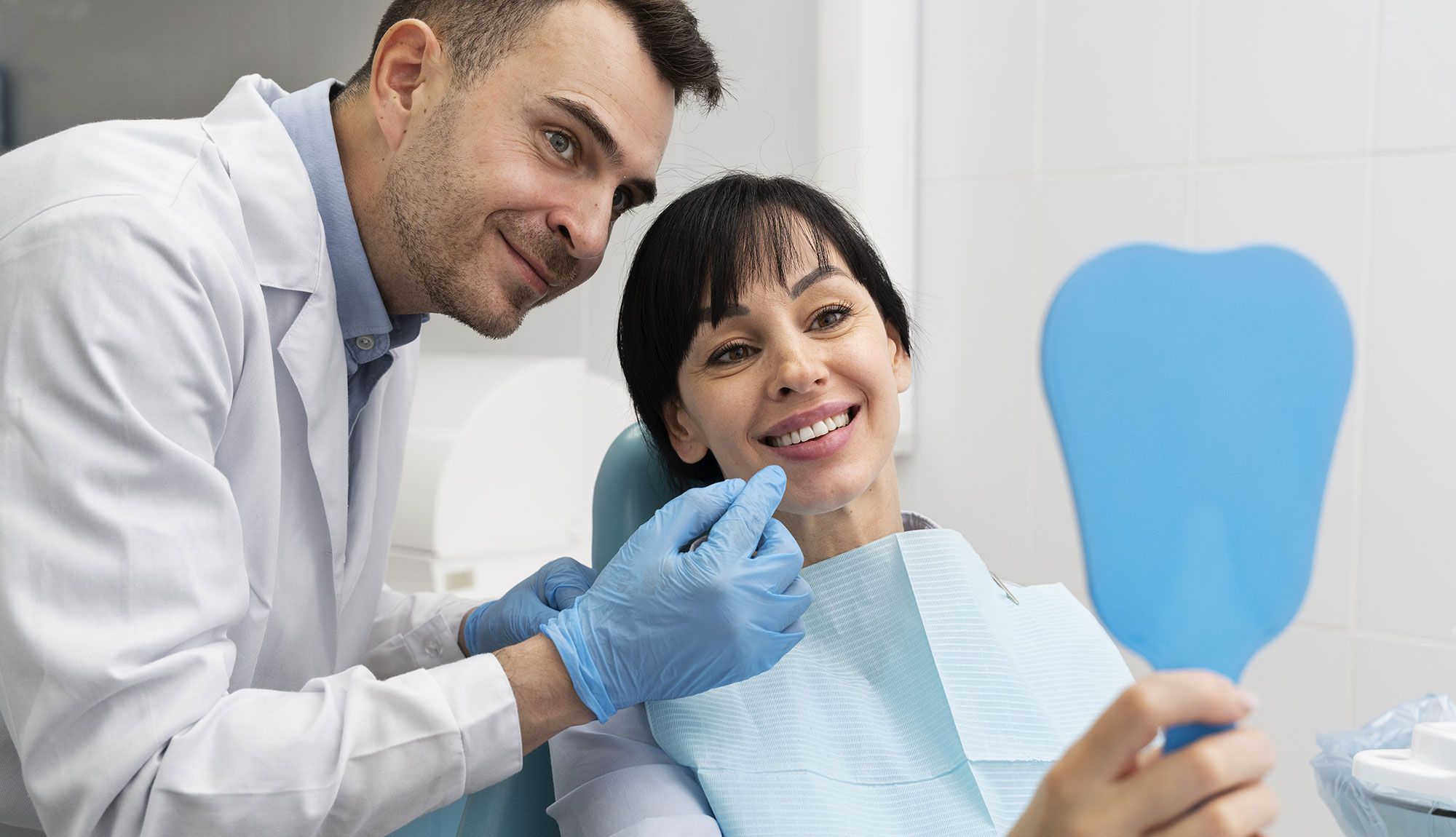
Dentist Zirconium
The average usage period of Zirconium Oxide is 20 years. There is no allergic reaction reported in printed publications.
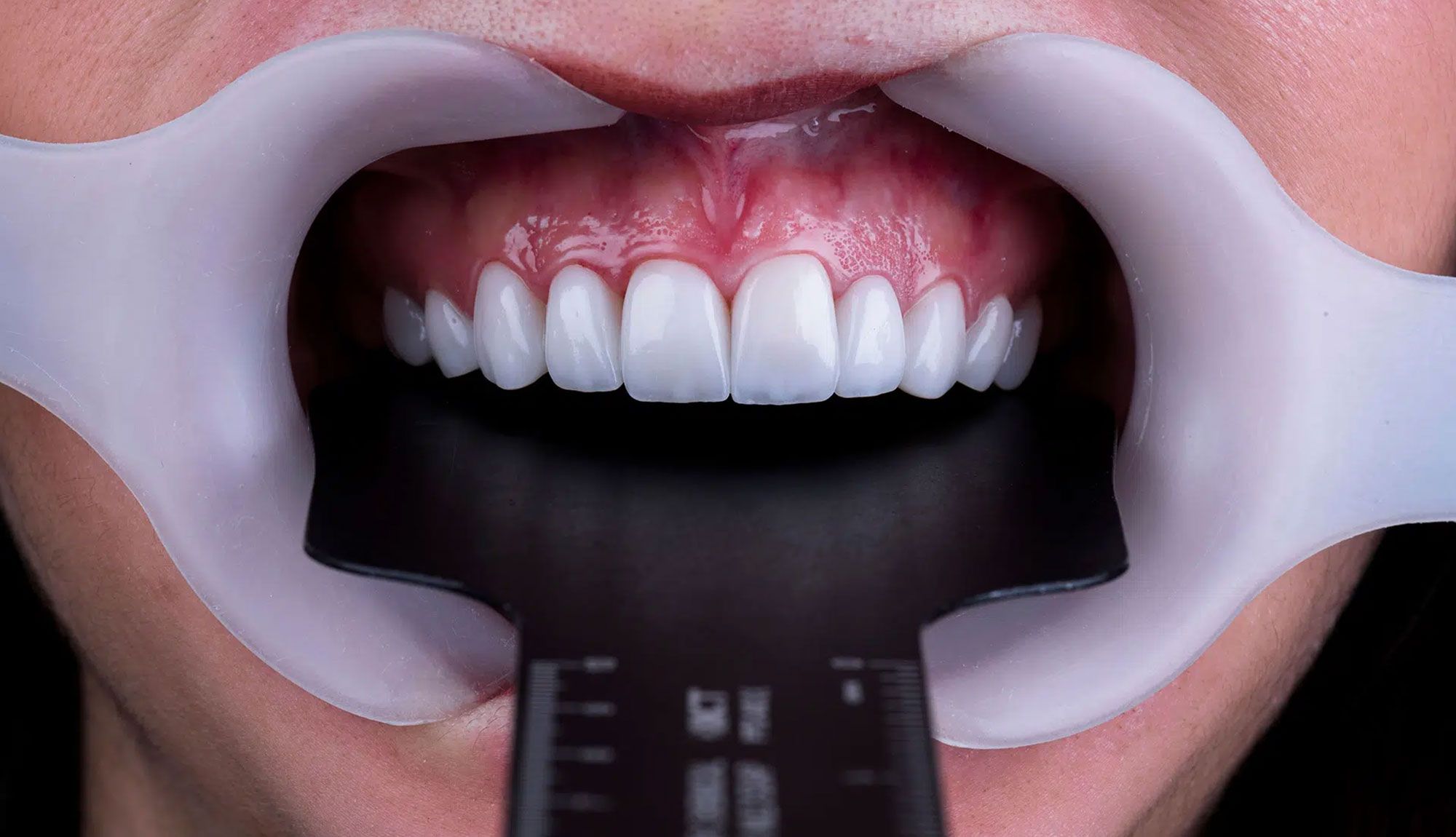
Dentist Laminate Veneer (Leaf Porcelain)
It is applied to people who are not satisfied with the shape and color of their teeth, who have broken, worn, overlapping teeth, and who have diastema (space between teeth).
Dentist Tooth Diamond
Dental jewellery or dental diamonds are ornaments made of different quality stones and gold in different shapes that are glued to the tooth enamel.

Copyright 2026 Dentist Dental Clinic. Web Design RED Agency All rights reserved.
Copyright 2026 Dentist Dental Clinic. Web Design RED Agency All rights reserved.